
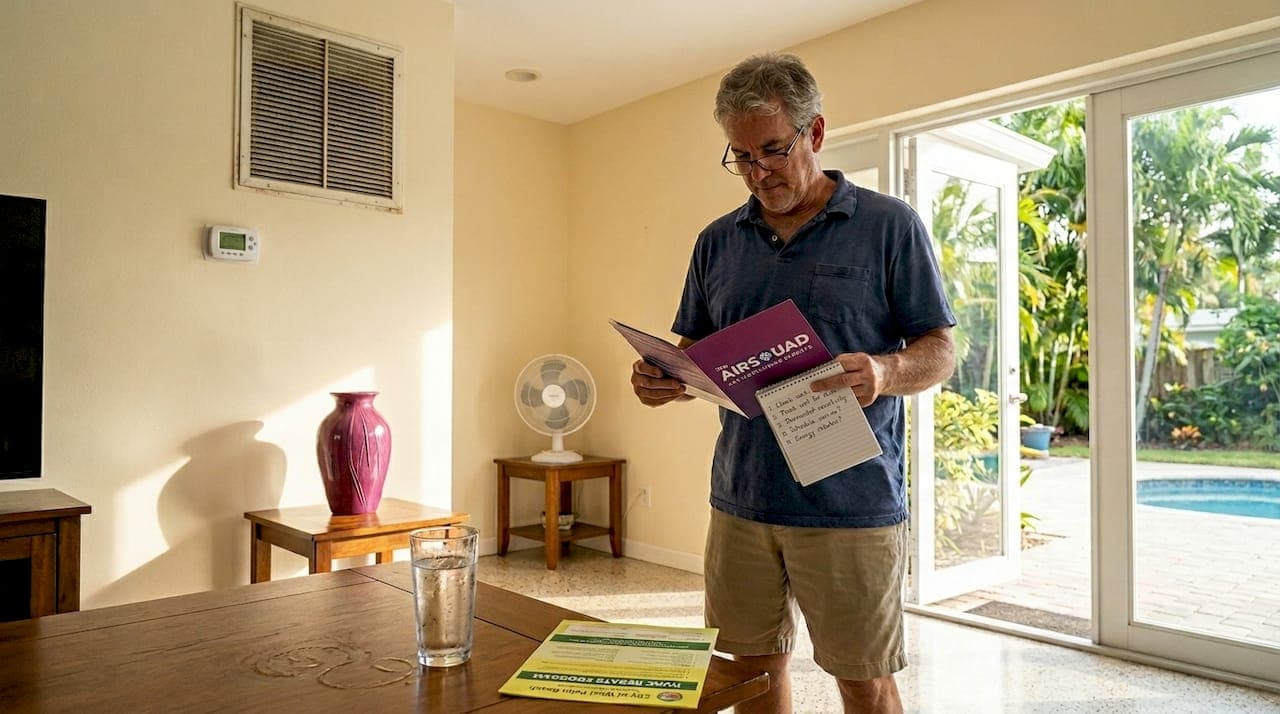
Choosing a new air conditioning system for your West Palm Beach home feels straightforward until you realize that picking the highest efficiency rating on the box does not guarantee lower bills or better comfort. Many homeowners spend thousands on a premium unit only to end up with muggy rooms, surprise utility spikes, and a system that struggles through August. The truth is that real comfort and real savings come from matching the right equipment, the right installation, and the specific conditions of your home and neighborhood. This guide walks you through every step so you make a confident, informed decision.
Table of Contents
- Understand what efficiency ratings really mean (SEER2 and EER2)
- Get the sizing and installation right — avoid costly mistakes
- Insist on written, detailed quotes from reputable contractors
- Factor in local climate and home specifics — especially for coastal homes
- Consider lifetime value: Upfront cost vs. comfort and long-term savings
- Why sticker ratings aren't enough: The hard truths about AC shopping
- Get expert help for perfect comfort and efficiency
- Frequently asked questions
Key Takeaways
| Point | Details |
|---|---|
| Efficiency is key—but only part of the equation | SEER2/EER2 ratings matter, but expert installation and sizing truly unlock comfort and energy savings. |
| Always demand a detailed quote | Get written, itemized estimates and compare multiple licensed contractors to avoid costly surprises. |
| Climate matters | West Palm homeowners should prioritize salt-resistant and variable-speed AC systems for true comfort and durability. |
| Long-term value wins | Premium systems pay off with lower bills and better air quality in high-value homes when paired with the right setup. |
Understand what efficiency ratings really mean (SEER2 and EER2)
Not all efficiency numbers tell the same story. Two ratings you will see on every new AC unit are SEER2 (Seasonal Energy Efficiency Ratio 2) and EER2 (Energy Efficiency Ratio 2). Understanding the difference between them is the first step toward a smarter purchase.
SEER2 is a seasonal metric that measures average cooling efficiency across an entire cooling season, while EER2 reflects performance at a fixed, very hot outdoor condition. In a place like West Palm Beach, where summer heat is relentless and peak afternoon temperatures are brutal, both numbers matter. SEER2 tells you about everyday efficiency, and EER2 tells you how the system holds up when it is working hardest.
Here is a quick comparison of common SEER2 thresholds and what you can realistically expect:
| SEER2 Rating | Efficiency Level | Estimated Monthly Savings vs. 14 SEER | Best For |
|---|---|---|---|
| 15.2 | ENERGY STAR minimum | Up to 8% savings | Budget-conscious buyers |
| 16 to 18 | Good efficiency | 10 to 15% savings | Most West Palm Beach homes |
| 19 to 22 | High efficiency | 15 to 22% savings | Larger or premium homes |
| 23 and above | Premium efficiency | 22%+ savings | Coastal estates, max comfort |
A few important points to keep in mind:
- Higher SEER2 alone does not guarantee savings. Installation factors heavily influence real-world performance, so a poorly installed 22 SEER2 unit can easily underperform a well-installed 16 SEER2 system.
- EER2 matters on hot days. On a 95-degree afternoon in Palm Beach County, EER2 determines whether your system keeps up or falls behind.
- ENERGY STAR certification requires a SEER2 of at least 15.2 and an EER2 of at least 12.0 for split systems.
Our SEER rating guide breaks down what these numbers mean for South Florida homeowners specifically. You can also learn more about how to reduce AC energy use with the right settings once your new system is installed.
Get the sizing and installation right — avoid costly mistakes
With efficiency ratings demystified, the next crucial step is ensuring your new unit is the right size and installed to maximize both comfort and cost savings.
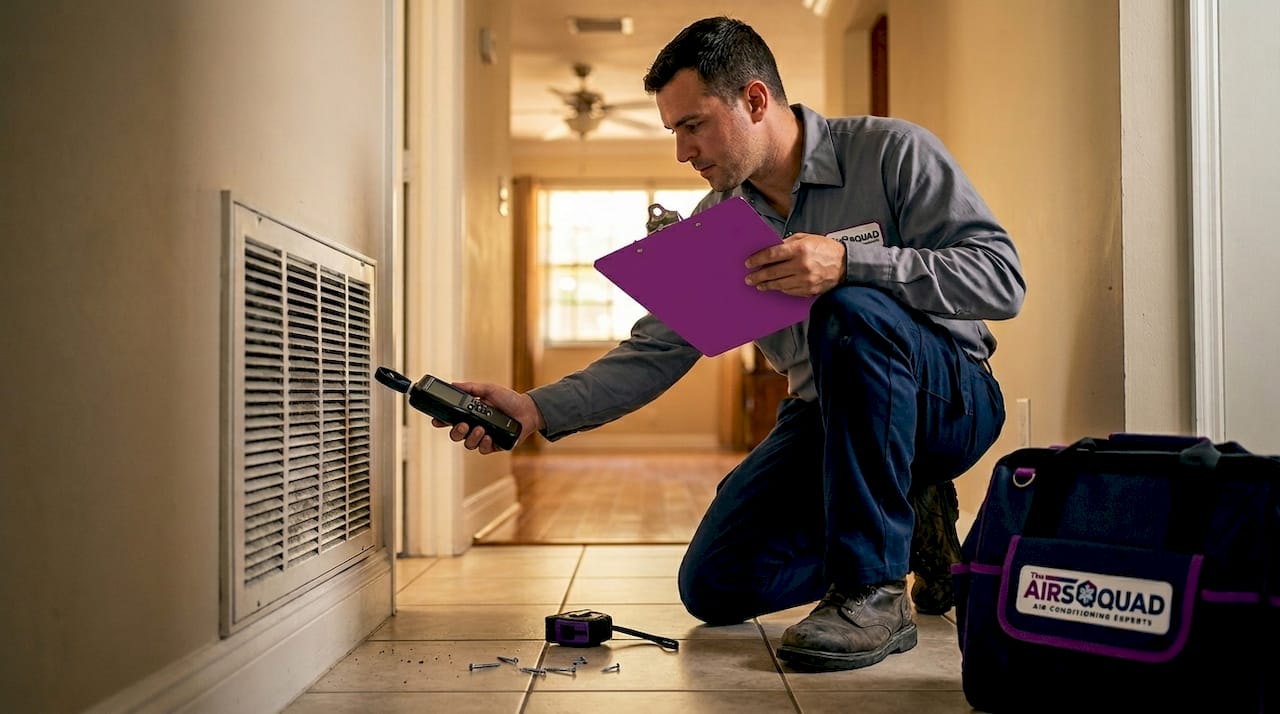
Sizing is where many homeowners and even some contractors get it wrong. Bigger is not better when it comes to air conditioning. An oversized system short-cycles, meaning it blasts cold air for a few minutes, shuts off, and then restarts constantly. This cycle wastes energy, wears out components faster, and most importantly, it never runs long enough to pull humidity out of the air. In West Palm Beach, that means a cool but sticky home.
An undersized system has the opposite problem. It runs nonstop, struggles to hit your set temperature during peak heat, and drives up your electric bill without ever truly cooling the space. Professional cooling-load calculations like Manual J ensure your system is sized correctly for your specific home, not just a rough square footage guess. Manual J accounts for ceiling height, insulation levels, window placement, sun exposure, and local climate data.
The bottom line: A unit that is even one ton too large or too small for your home will cost you more in the long run, both in energy and in repairs.
Here are the top installation pitfalls that even the most expensive AC unit cannot fix on its own:
- Leaky or undersized ductwork that loses conditioned air before it reaches your rooms
- Poor refrigerant charge that reduces capacity and efficiency significantly
- Incorrect airflow caused by improper fan speed settings or blocked returns
- Missing or skipped commissioning where the installer never verifies that the system is actually performing to spec
- Inadequate electrical supply that causes voltage issues and premature compressor failure
- Improper drain line setup that leads to water damage and mold growth
Pro Tip: Always ask your contractor if they perform a Manual J load calculation before recommending a system size. If they quote a size based only on square footage or "what was there before," that is a red flag. Check out our guide on choosing an HVAC contractor to know exactly what to look for.
Insist on written, detailed quotes from reputable contractors
Accurate equipment and installation are only as reliable as the professionals you hire and the details spelled out in your written quote.
A verbal promise means nothing once the work is done. Every detail of your AC installation should be documented in writing before you sign anything or hand over a deposit. Detailed written quotes that include efficiency ratings and key installation scope items protect you from surprise charges and ensure the contractor delivers what was promised.
Here is what every quality quote should include:
- Specific equipment model numbers with confirmed SEER2 and EER2 ratings
- Scope of ductwork work including any repairs, sealing, or modifications
- Manual J load calculation confirmation or a statement that one will be performed
- Refrigerant charge verification and commissioning steps
- Permit and inspection details for Palm Beach County requirements
- Equipment registration with the manufacturer for full warranty coverage
- Warranty terms for both parts and labor
Here is a step-by-step process for reviewing and comparing multiple contractor quotes:
- Collect at least three written quotes from licensed, insured contractors.
- Confirm that each quote lists the same or comparable equipment so you are comparing apples to apples.
- Check that contractor licensing and insurance are verified before paying any deposit.
- Look for quotes that mention ductwork inspection, not just equipment swap.
- Ask each contractor to walk you through their commissioning process.
- Compare total installed cost, not just equipment price.
Must-ask questions before signing anything:
- Are you licensed and insured in Florida?
- Will you pull the required permits?
- Do you perform a Manual J load calculation?
- What does your commissioning process include?
- How do you handle warranty registration?
Pro Tip: A trustworthy contractor welcomes your questions and provides clear, written answers. If a contractor pressures you to decide quickly or discourages you from getting other quotes, walk away. Our resources on what to ask before hiring an AC company and understanding new AC cost factors will help you feel fully prepared.
If you are unsure whether it is time to replace your current system, our guide on when to replace your old AC system can help you decide. And if you are buying a home, our home buyer HVAC checklist is a must-read.
Factor in local climate and home specifics — especially for coastal homes
Combining fair quotes and strong contractors with West Palm's coastal realities leads to smarter choices.
Living near the water in Palm Beach County is a privilege, but it comes with real challenges for your HVAC system. Salt air accelerates corrosion on outdoor equipment, particularly on condenser coils, fins, and electrical connections. Coastal and salt-air environments require specific equipment and installation details focused on corrosion resistance and superior humidity handling. Skipping this step can cut your system's lifespan in half.
Here are the top climate-specific priorities for high-value West Palm Beach homes:
- Coil coating or corrosion-resistant construction for outdoor units within a few miles of the ocean
- Variable-speed compressors that modulate output and run longer cycles to remove more humidity
- High-efficiency dehumidification modes built into premium systems
- Sealed and insulated ductwork to prevent moisture infiltration in your walls and ceilings
- UV air purification to address mold and bacteria that thrive in humid conditions
Here is how three common system types compare for West Palm Beach conditions:
| Feature | Standard Single-Stage | Variable-Speed | Smart-Enabled Variable-Speed |
|---|---|---|---|
| Humidity control | Basic | Excellent | Excellent |
| Comfort consistency | Moderate | High | Very high |
| Corrosion resistance options | Limited | Available | Available |
| Energy efficiency | Good | Very good | Best with smart scheduling |
| Long-term longevity | 10 to 12 years | 14 to 18 years | 14 to 18 years |
| Smart home integration | No | Sometimes | Yes |
Smart and connected AC systems offer remote control, scheduling, and energy monitoring, but sizing, humidity control, and correct installation still determine whether efficiency targets actually translate into savings. Smart features are a bonus, not a substitute for getting the fundamentals right.
Pro Tip: In South Florida, the smart features that actually matter are humidity sensing, variable-speed fan control, and real-time energy monitoring. Skip the gimmicks and focus on those three. Explore your West Palm smart cooling options and browse humidity control products that pair well with a new high-efficiency system.
Consider lifetime value: Upfront cost vs. comfort and long-term savings
Once features and installation match your priorities, it is time to weigh the numbers for true lifetime value.
It is tempting to choose the lowest bid or the most affordable unit on the shelf. But industry experience consistently shows that focusing only on upfront price leads to higher costs over the life of the system. Higher-efficiency units cost more upfront but deliver lower utility bills over time, provided the system is properly sized and installed. That last part is critical.
Consider the full picture when comparing your options:
- Monthly energy savings from a higher SEER2 unit can range from $30 to $100 or more depending on your home size and current system age
- Extended warranty coverage on premium systems often includes 10-year parts protection, reducing repair costs
- Smart thermostat integration can add another 10 to 15 percent in annual savings through optimized scheduling
- Reduced humidity damage to your home's interior, furniture, and finishes is a real financial benefit that rarely gets calculated
- Higher resale value for your home, since buyers in the $500,000 and up market expect modern, efficient systems
Hidden savings and comfort benefits with better systems include:
- Fewer repair calls and lower maintenance costs over the first 10 years
- More consistent temperatures throughout the home, eliminating hot spots
- Quieter operation with variable-speed technology
- Better indoor air quality when paired with whole-home filtration
- Longer system lifespan that delays the cost of the next replacement
A well-matched, properly installed high-efficiency system is not just a comfort upgrade. It is a smart financial investment for your home.
Why sticker ratings aren't enough: The hard truths about AC shopping
After years of serving homeowners across West Palm Beach and Palm Beach County, we have seen a pattern that surprises a lot of people. Homeowners who spend the most on premium equipment sometimes end up with the worst results. Not because the equipment is bad, but because the installation was treated as an afterthought.
Two units with similar SEER2 and EER2 ratings can perform very differently if the ductwork, refrigerant charge, or airflow design is wrong. AHRI-matched systems and proper commissioning are not optional extras. They are the difference between getting what you paid for and feeling like you were sold a promise that never delivered.
We understand why buyers focus on the sticker. It is the most visible number, and it is easy to compare. But in our experience, the homeowners who are happiest with their new systems are the ones who asked hard questions about installation, insisted on Manual J sizing, and chose contractors who could explain every step of the process. That is the real buying guide that nobody puts on the box.
The good news is that you now have the full picture. Use it.
Get expert help for perfect comfort and efficiency
If all this feels overwhelming, the right local expert can turn high standards into everyday comfort, and we are here to help.
At The Air Squad, we are a family-owned team serving West Palm Beach and surrounding communities. We specialize in high-efficiency AC installations, coastal-rated equipment, and whole-home comfort solutions built for South Florida's unique climate. Whether you need a new system, ductwork improvements, or advanced air quality upgrades, we treat every home like it is our own.
Our AC installation experts perform proper Manual J load calculations, handle all permitting, and commission every system to perform at its rated efficiency. We also offer duct repair services to make sure your new unit delivers conditioned air where it belongs. For homeowners who want the full package, explore our advanced air quality solutions that pair beautifully with a new high-efficiency system. CALL TODAY for a free whole-home evaluation and let us help you make the smartest investment for your home.
Frequently asked questions
What is the best SEER2 rating for West Palm Beach homes?
A SEER2 rating of at least 15.2 is the ENERGY STAR minimum and a solid starting point, but most West Palm Beach homeowners benefit most from systems rated 18 or higher for maximum comfort and savings in the hot, humid climate.
Why is a Manual J load calculation important?
Manual J ensures correct sizing by accounting for your home's specific insulation, windows, and layout, preventing the comfort and efficiency problems that come with oversized or undersized systems.
How do smart AC features add value?
Smart AC systems offer real-time monitoring, remote scheduling, and energy tracking, but those features only deliver full value when the system is properly sized and humidity control is built in.
Are high-efficiency air conditioners worth the extra cost?
Yes. When professionally sized and installed, high-efficiency units consistently lower long-term energy costs, reduce repair frequency, and deliver noticeably better comfort than budget alternatives.
What should be included in an AC installation quote?
A quality quote should list equipment model numbers with efficiency ratings and full install scope, including sizing method, ductwork work, commissioning steps, permit details, and warranty registration.